


1. Define the Role of the Successful Design Team in Your Marketing Strategy
Most companies claim they value design. Very few actually structure their design team as a strategic force inside marketing and branding.
If design sits downstream from marketing, you’ll get nice-looking assets. If design sits upstream, you get high-impact positioning that shapes how customers perceive your product design, campaigns, and overall brand.
A truly high-impact design team inside a marketing agency or brand-driven company must influence:
- Brand identity direction
- Campaign architecture and visual storytelling
- UX and user experience strategy
- Conversion pathways
- Long-term brand equity
This is where many agencies fail. They treat design as execution instead of investment in design as a growth lever.
According to McKinsey’s design research, design-led companies outperform competitors significantly in revenue and shareholder return. That gap is created by leadership structure, not talent alone.
Strategic shift required:
- Include your design leader in brand positioning discussions.
- Ensure design helps define messaging, not just visualize it.
- Tie design work to measurable marketing outcomes.
If you want a successful design function, align it with: Brand Identity Development: Crafting a Unique and Memorable Brand
When design defines perception early, every campaign becomes more efficient.
When it’s brought in late, you burn money and time fixing alignment problems.
2. Build a Design Team Culture That Produces Consistent High-Impact Work
A design team culture determines whether your output feels premium or chaotic.
Many marketing agencies think culture equals Slack emojis and creative freedom. Real culture is operational discipline that allows great design to emerge consistently across design projects.
A strong culture should include:
- Clear design process and sprint cadence
- Defined feedback loops
- Shared understanding between marketing, UX, and product design
- Documented standards
- Respect for design leadership
Without structure, even high IQ individual designers will underperform. They’ll spend more time interpreting vague stakeholder requests than producing best work.
A vibrant design team is built through systems:
- Weekly sprint reviews across multiple design discipline areas
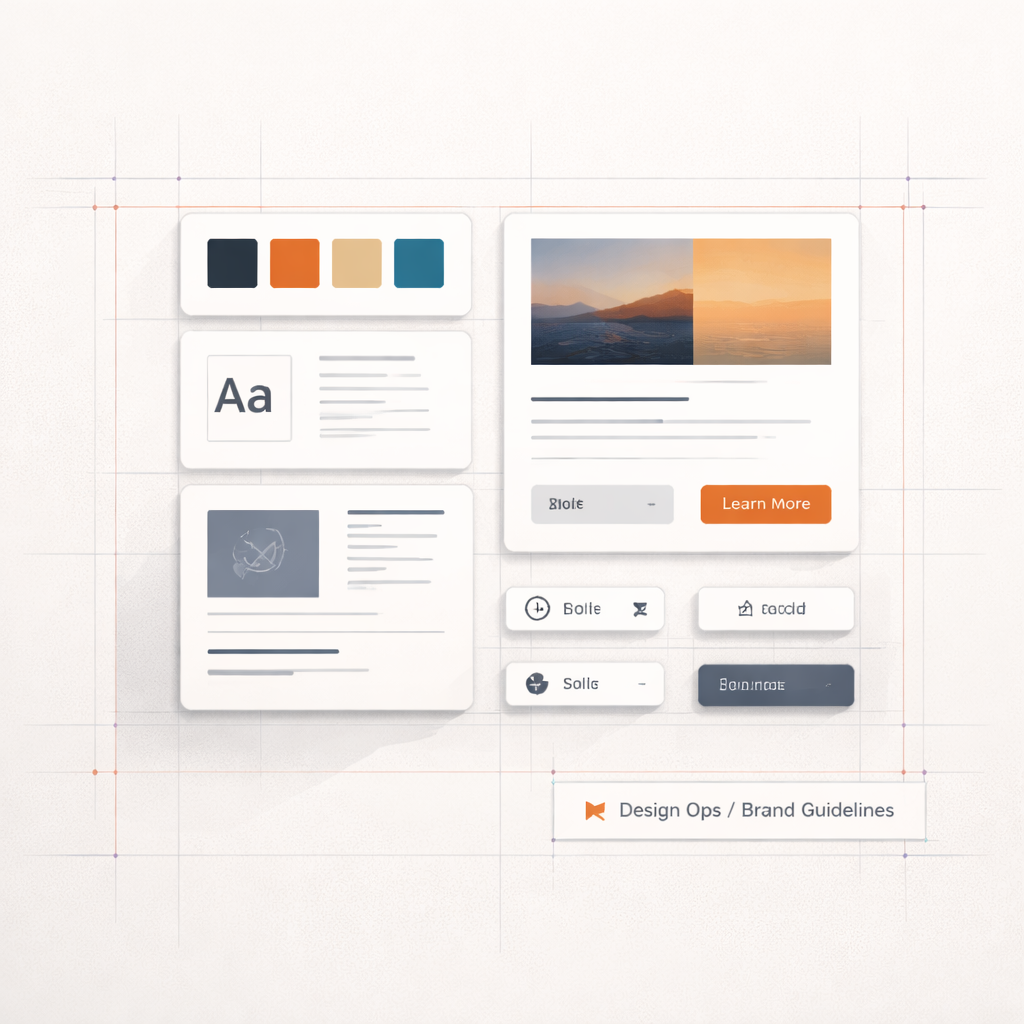
- Design ops documentation
- Defined leadership style and management style
- Clear expectations around autonomy and accountability
Create an environment where designers need clarity to perform at their best.
Create space for critique without politics.
Create an environment that demands consistency.
Support this with: How to Create a Brand Style Guide
Culture is not decoration. It’s the operating system of successful design.
3. Hire Designers Who Understand Marketing, Branding, and Growth
Many companies hiring focus on visual portfolios instead of strategic capability.
A designer might produce attractive visuals but still lack understanding of:
- Conversion psychology
- Brand equity
- UX tied to user experience metrics
- Product design constraints
- Stakeholder management
If you want a high-impact design team, hire for thinking, not just aesthetics.
Look for designers who can:
- Manage upwards and communicate with executive leadership
- Work cross-functional with marketing and data science
- Understand complex UI interactions
- Connect design work to business outcomes
A well-balanced dream team inside a marketing agency should include:
- Head of design or design director
- UX specialist
- UI specialist
- Content strategist
- Brand-focused visual designers
Avoid building a team entirely from agencies focused only on surface-level visuals. Hire designers who can advocate for design strategically.
Align hiring philosophy with: How to Hire a Graphic Designer in 2026
High-impact teams are built intentionally.
Not assembled randomly from individual designers.
4. Integrate Design Across Marketing, Product, and Brand Experience
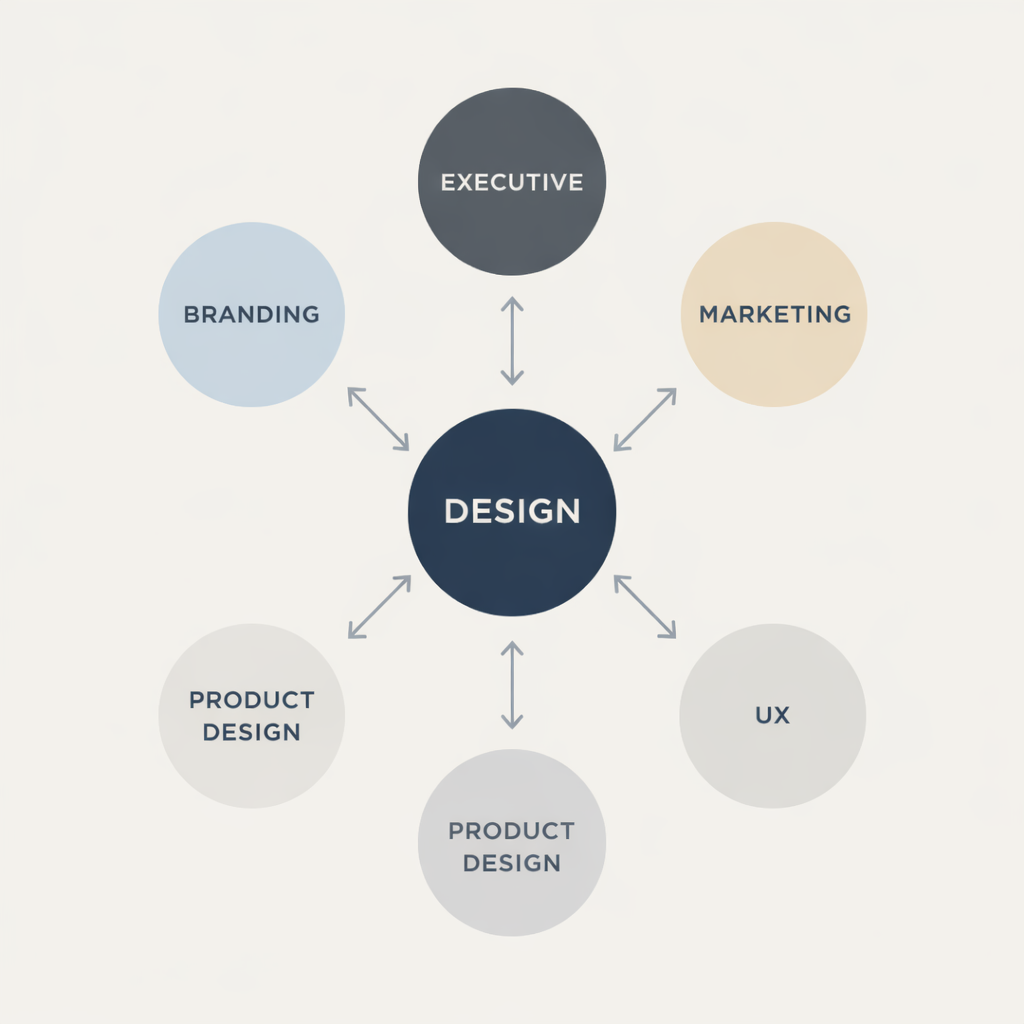
A high-impact design team must operate cross-functional across the business.
Design is not a separate department producing deliverables. It is part of the team shaping brand perception across every touchpoint.
Design should influence:
- Campaign direction
- Product design decisions
- Website UX and UI
- Social media presence
- Sales materials
- Brand storytelling
When design is embedded early in marketing planning, output becomes more consistent and effective. When it’s added at the end, teams scramble to “make it look good.”
Operational integration moves:
- Include designers in campaign strategy meetings.
- Align design sprint cadence with marketing launch cycles.
- Connect UX improvements to conversion metrics.
- Use design ops to maintain shared understanding across departments.
Cross-functional alignment ensures:
- Less rework
- Faster pace
- Stronger brand consistency
- Better stakeholder communication
Reinforce integration with: Brand Awareness Strategies: How to Make Your Business Impossible to Ignore
When design is embedded into the operating system, marketing becomes more efficient and effective.
5. Protect Autonomy While Enforcing Brand Governance and Consistency
Autonomy fuels creativity.
Governance protects brand equity.
Without governance, marketing agencies produce fragmented visual identities and inconsistent messaging. With governance, a successful design team moves faster because standards are clear.
Your governance structure should include:
- Brand archetype definition
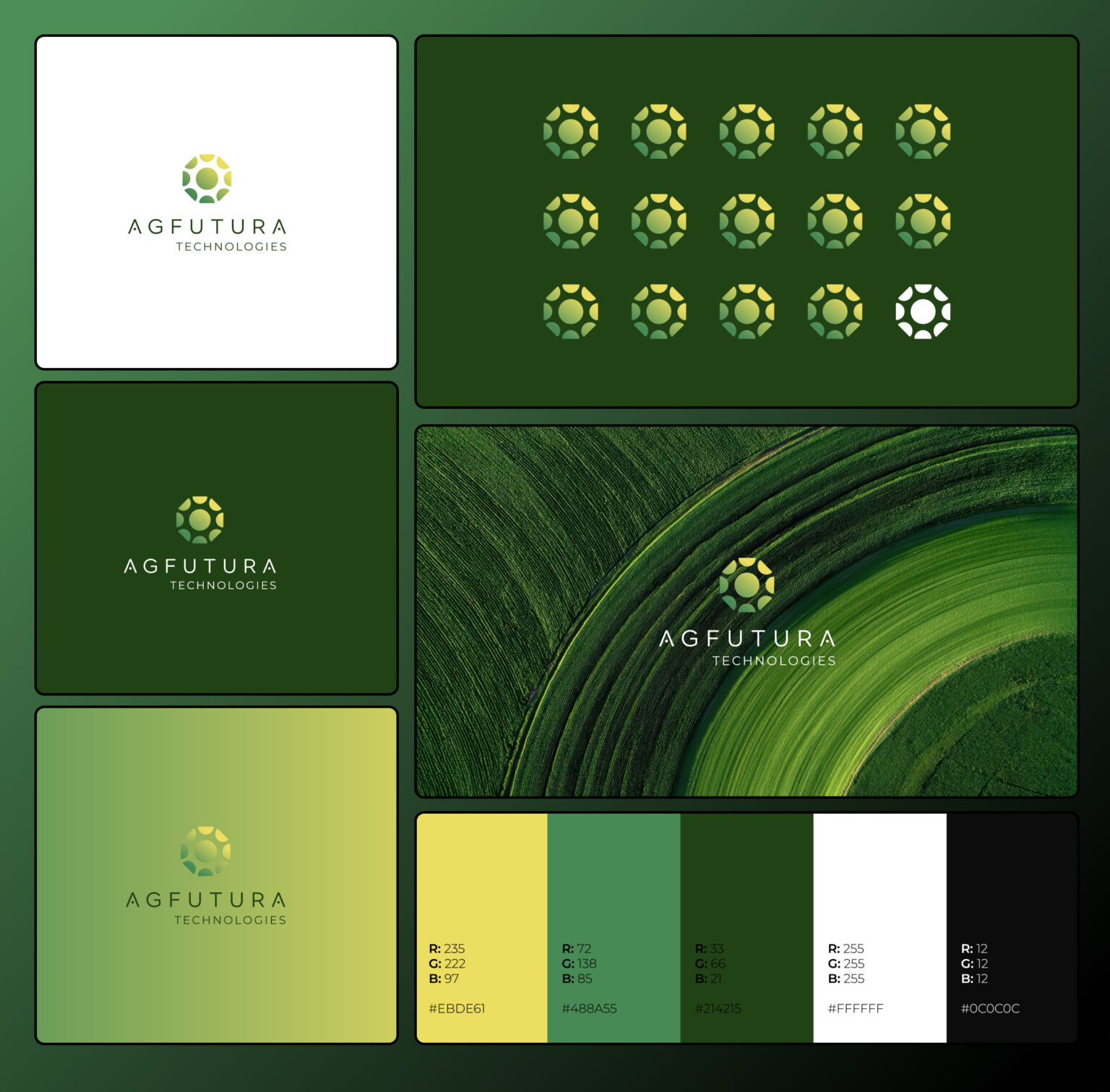
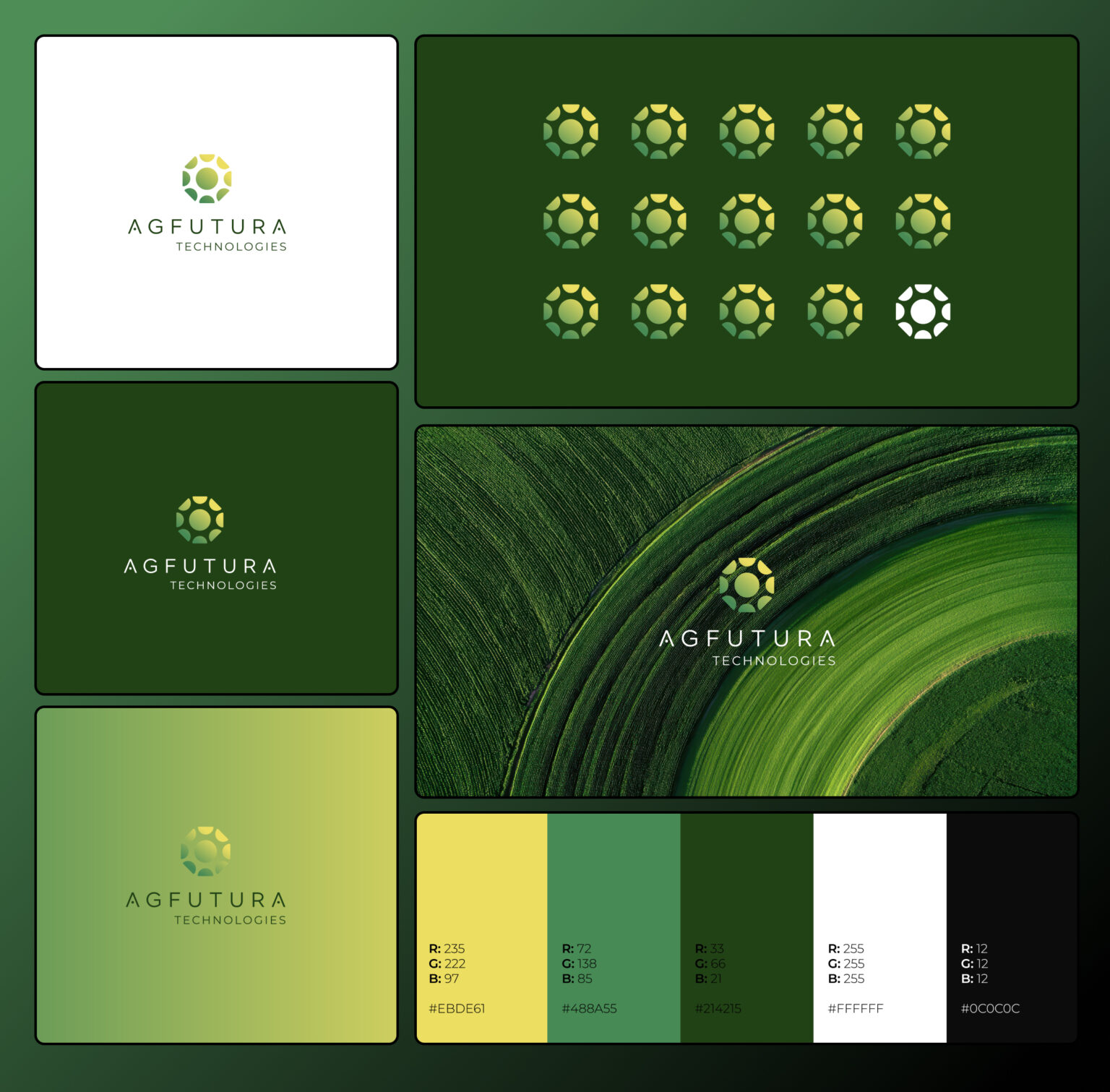
- Visual system guidelines
- Typography and color rules
- UX interaction standards
- Content style frameworks
Designers need freedom to create — but within guardrails that maintain brand consistency.
Implement:
- Centralized asset libraries
- Brand review checkpoints
- Design ops documentation
- Crisis communication frameworks
Connect governance to Brand Crisis Management
High-impact design teams operate with autonomy inside structure.
Consistency builds trust.
Trust builds brand equity.
Brand equity drives long-term marketing performance.