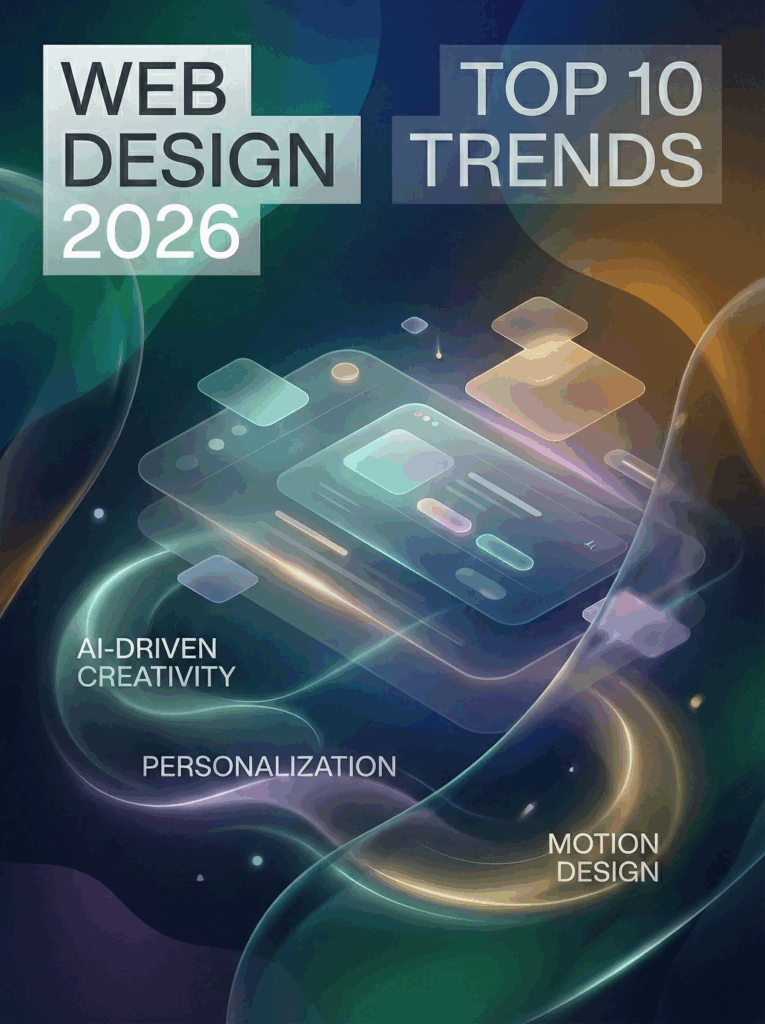


1. AI-Driven Personalization That Actually Helps
In 2026, AI-driven personalization becomes one of the most important web design trends because it improves relevance without requiring you to build ten separate versions of everything. Instead of static pages, web designs adapt content blocks, navigation, and calls-to-action based on intent, behavior, and context. That’s not a gimmick — it’s a new baseline for competitive digital experiences.
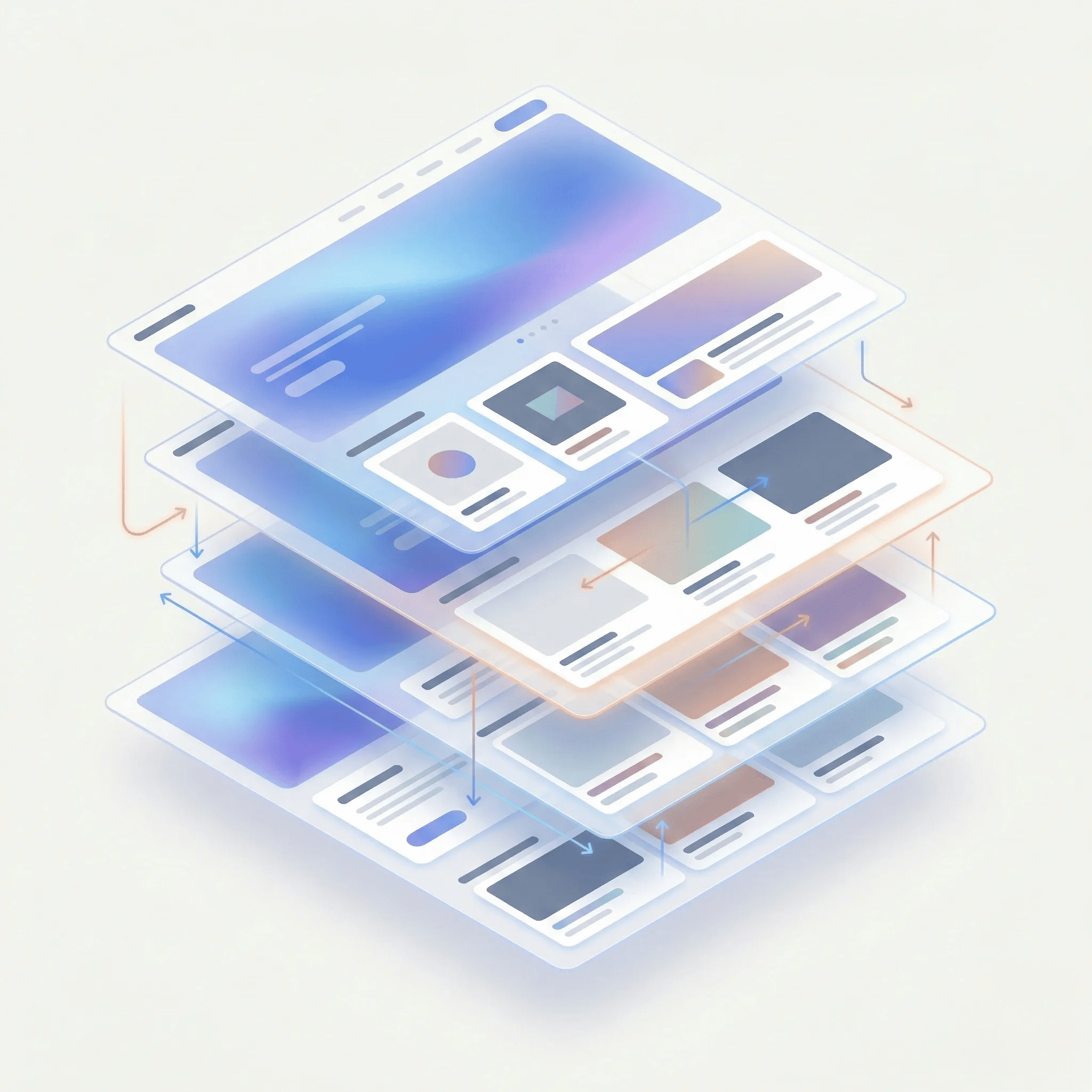
The best examples of this web design trend feel natural: the site surfaces the right proof, the right product recommendations, or the right next step at the right time. The worst examples feel creepy, like the site is watching you breathe. The line is simple: personalize utility (what helps someone decide), not identity (what makes someone feel tracked).
Done right, personalization turns generic pages into guided decision paths. Done wrong, it turns a new website into an anxiety machine. In 2026, brands that balance personalization with trust will win.
2. Agentic & Conversational Interfaces: Websites That Act
A major design trend 2026 is conversational and agentic ui — websites that don’t just display information but actively help users complete tasks. Think guided flows that let users ask for what they want, filter faster, compare options, and move forward without digging through menus like it’s the early web.
This trend isn’t about replacing navigation; it’s about reducing friction. When conversational UI is paired with clean layout and strong interface cues, it can upgrade UX dramatically — especially for SaaS, finance, eCommerce, and content-heavy platforms.
The key is restraint. If everything becomes a chat prompt, you’ll annoy people. But if the agent is used to shorten paths, clarify choices, and surface relevant sections, it becomes one of the smartest web experiences you can build in 2026.
3. Performance-First UX and Load-Time-Driven Design
The most profitable web design trend is also the least glamorous: speed. In web design trends 2026, load times become a design constraint, not a dev problem you “optimize later.” That changes everything — animation, media choices, overlays, and even how you build hero sections.
Performance-first design means lighter pages, fewer heavy assets, smarter component reuse, and effects that earn their place. This doesn’t mean boring. It means intentional. You can still use motion, video, and immersive layout — you just do it with discipline.
In 2026, if a site is slow, it won’t matter how “futuristic” it looks. Users will bounce. Search visibility will suffer. Trust will drop. Performance is part of the aesthetic now.
4. Modular Design Systems & Token-Based Layout Logic
A real design system is becoming standard for serious companies — not just tech giants. In 2026, more brands are building scalable systems with tokens that govern spacing, typography, color palette, and component behavior. This brings consistency to website design and makes design and development faster and less chaotic.
The practical benefit is huge: when the system is tight, every page feels related. Every web design trend you adopt becomes easier to apply consistently. Updates don’t break the UI. New pages don’t look like they were designed by a different species.
This is how modern digital design stays coherent at scale — especially when multiple designers and developers are shipping in parallel.
Related read: How to Create a Brand Style Guide (And Why You Need One)
5. Organic Layouts and Anti-Grid Composition
Yes, the grid still matters. But one visible design trend in 2026 is moving beyond rigid grid-only layout into more organic composition: asymmetry, curved shapes, softer transitions, and layouts that feel “designed” rather than templated.
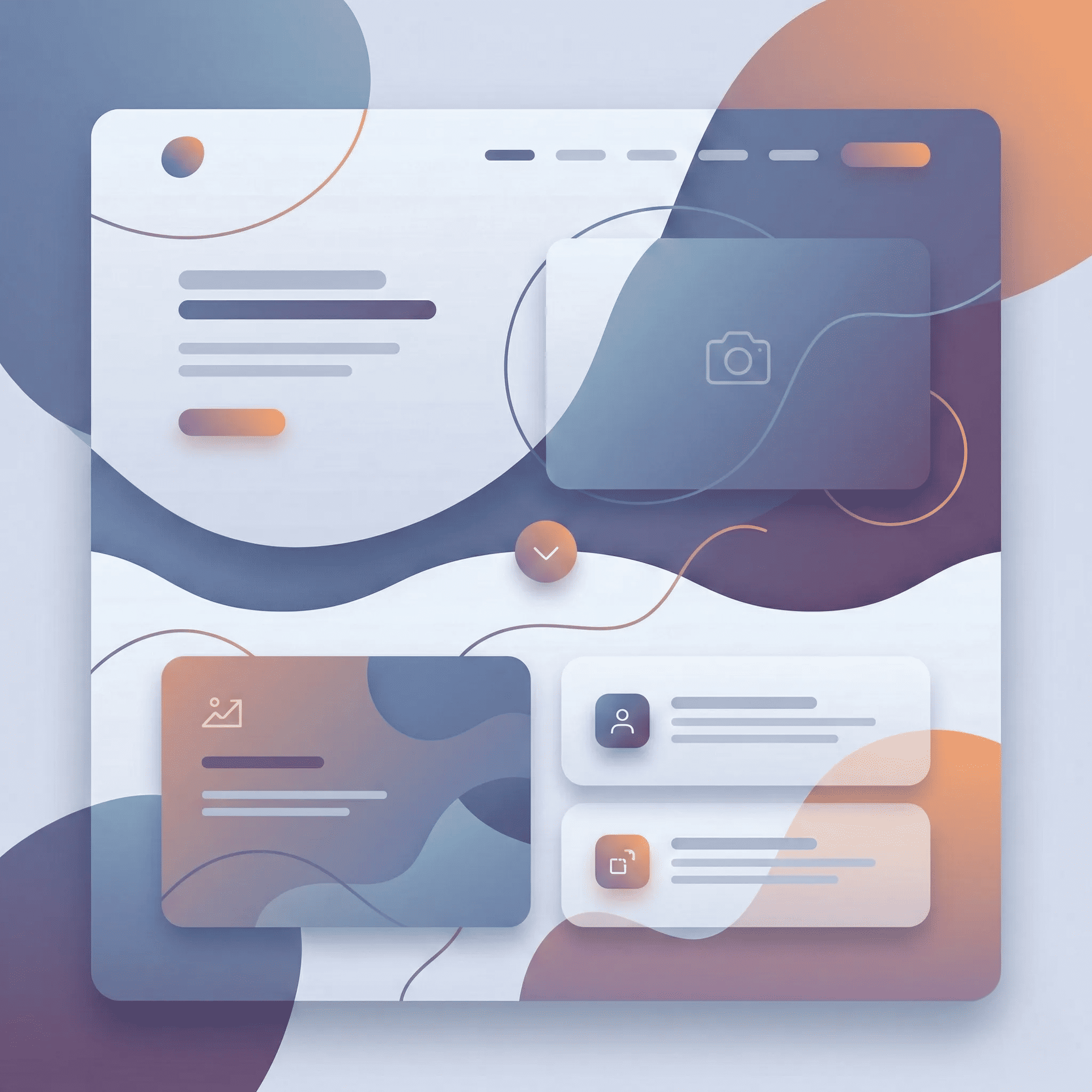
This is where controlled chaos wins. The best anti-grid web designs still have hierarchy, rhythm, and structure — they just don’t look like a spreadsheet. This trend shows up strongly in creative brands and Gen Z-facing products, but it’s spreading into premium categories too because it adds warmth and personality.
If you’re going to break the grid, keep your type scale and spacing system consistent. Freedom without rules is just mess.
6. Gradients, Color Palette, and Layer-Based Depth
Gradient usage keeps evolving. In 2026, it’s less about loud neon fog and more about subtle overlays that create depth, focus, and hierarchy. You’ll still see neon gradients in maximalist moments, but the mainstream trend is “atmospheric gradients” that behave like lighting.
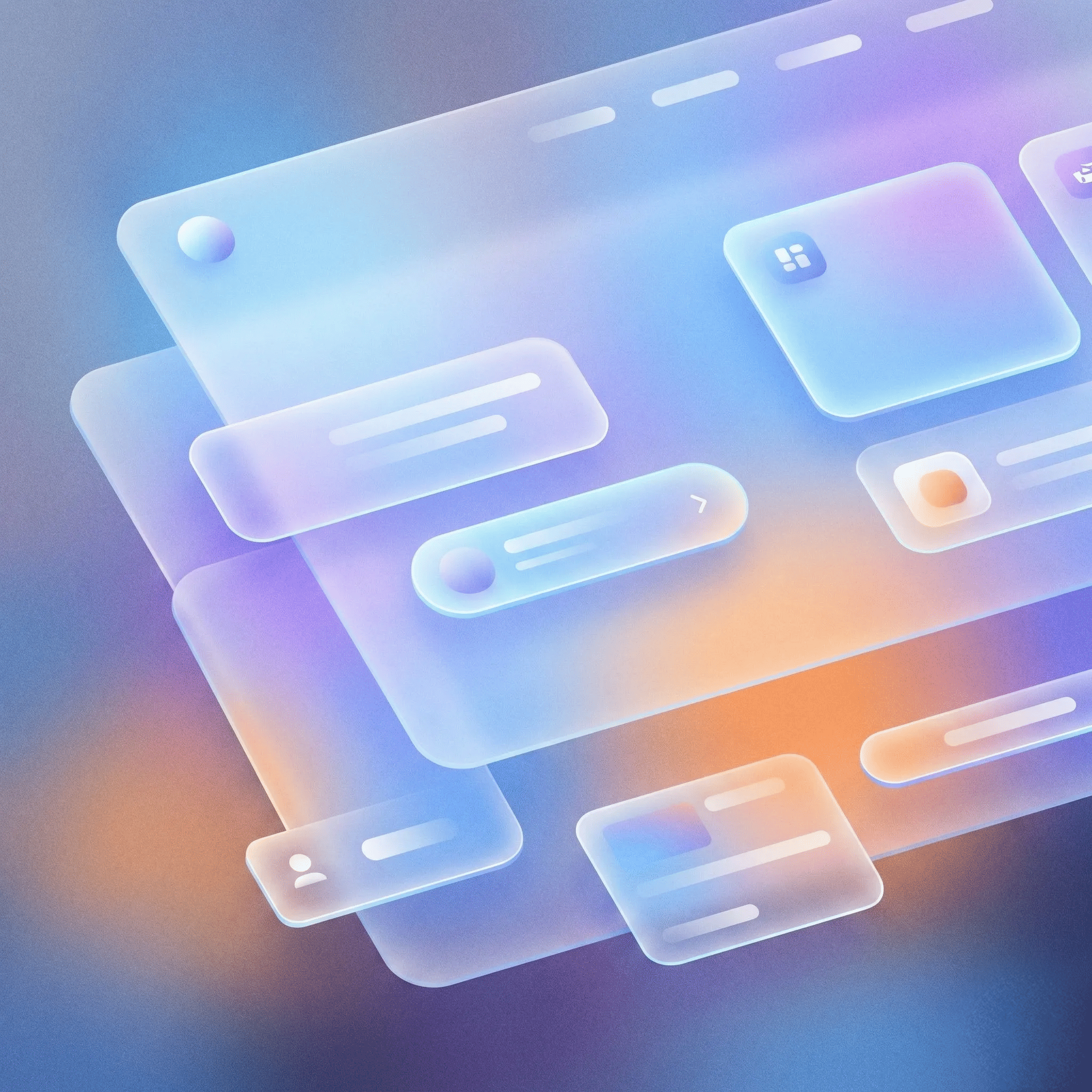
Layering also becomes more intentional: stacked cards, blurred overlays, and gentle texture to create tactile depth — without turning your UI into a heavy, slow collage. This is a web design trend that improves perceived quality when done carefully.
The trick is discipline. A strong color palette has roles (primary, accent, background, warning) and limits. If everything is a gradient, nothing is.
7. Typography Systems as Visual Identity Engines
In 2026, typography becomes the backbone of visual identity. Brands are leaning less on decorative visuals and more on expressive type systems: clear hierarchy, strong scale, purposeful contrast, and typography that adapts across devices.
This trend matters because type is fast, accessible, and scalable. It also works with both minimalism and maximalism. You can build a distinctive brand feel with a consistent font system and layout rhythm — even if the rest of the UI is restrained.
A strong font strategy is one of the easiest ways to make web designs look premium without making them heavy.
8. Motion Design and Functional Animation
More motion design is coming — but in 2026 it’s increasingly functional. Animations and micro-interactions are treated like interface communication: hover states, focus cues, state changes, confirmation feedback, and subtle transitions that reduce confusion.
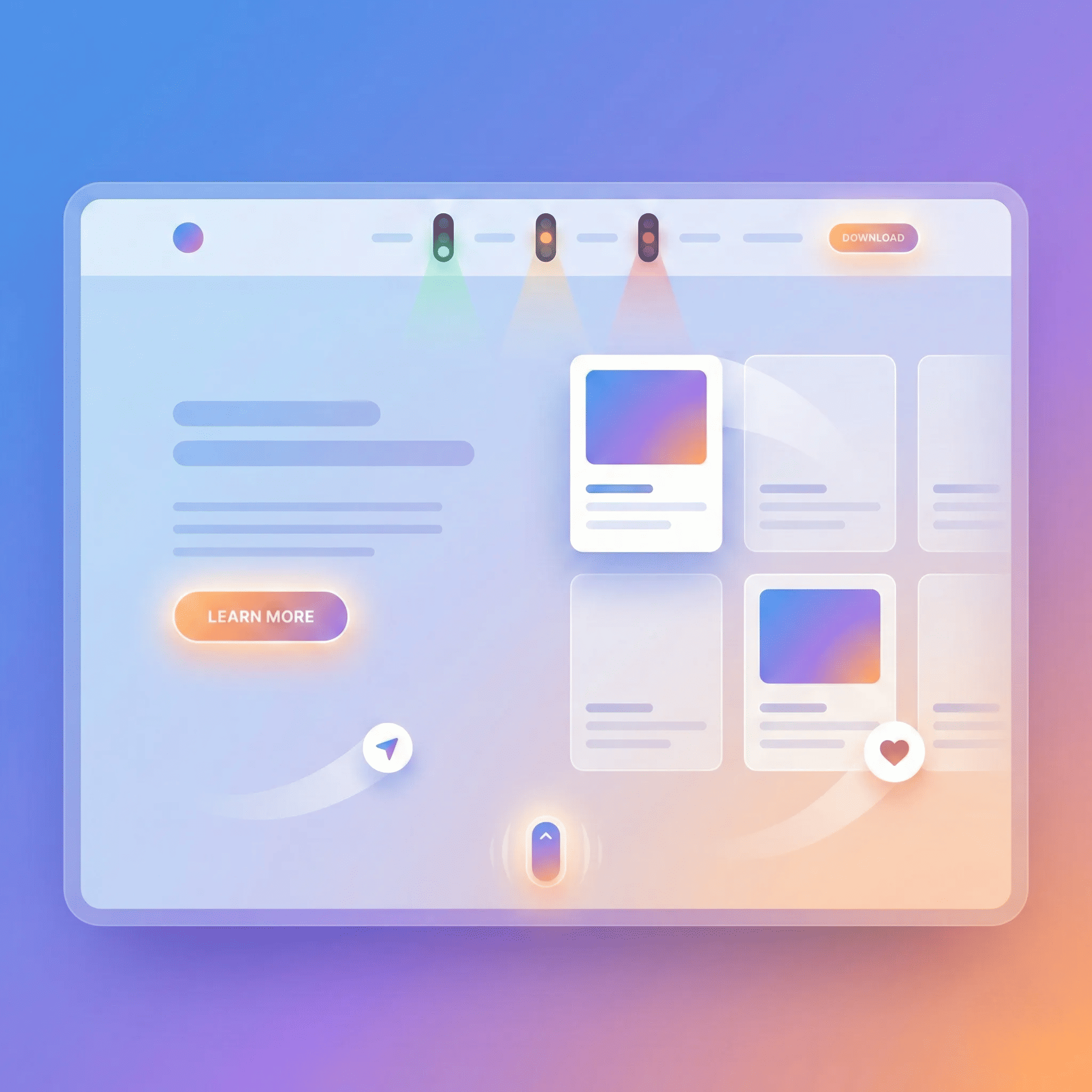
The best animation improves UX by clarifying what’s clickable, what changed, and what to do next. The worst motion exists to show off and ends up slowing the page and distracting users.
Motion in 2026 is less fireworks, more signage. If it doesn’t help understanding, it doesn’t belong.
9. Dark Mode and Accessibility-First UI Systems
Dark mode isn’t a novelty anymore — it’s expected. In 2026, dark mode systems become more mature: designed with contrast logic, accessible typography, and color palettes that work in both modes without breaking readability.
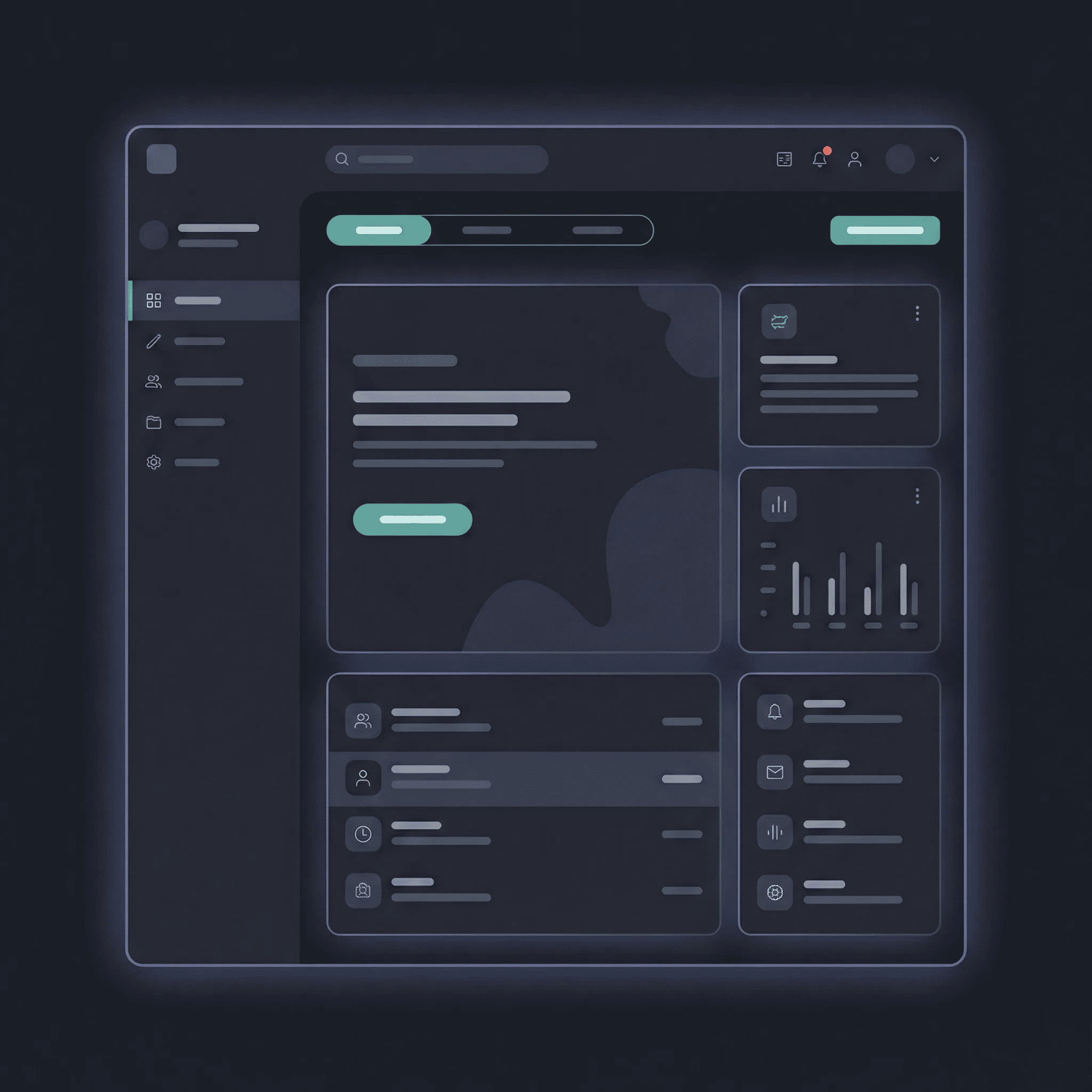
Accessibility also shifts from “nice to have” to baseline best practices. Clear focus states, readable contrast, keyboard-friendly interactions, and logical headings improve UX for everyone — and they improve SEO and conversion while you’re at it.
If your site looks great but is hard to read, it’s not modern. It’s unfinished.
10. Structured Maximalism: Expression Within Minimalist Systems
Maximalism isn’t going away — it’s becoming selective. In 2026, you’ll see maximalism used in “moments”: hero sections, product launches, campaign pages, interactive reveals. But the underlying structure stays disciplined: clean grid logic, consistent typography, and predictable interaction patterns.
This is one of the most practical web design trends 2026 has to offer: emotional impact where it counts, clarity everywhere else. You get memorability without sacrificing usability.
The rule is simple: let the system stay calm so the moment can be loud.
Performance-first creativity (because load times still decide everything)
Here’s the non-negotiable: if the site is slow, the design failed.
Speed and performance are now part of the aesthetic constraint. Even Looka cites that bounce rates climb when pages take longer—e.g., a jump when load time goes from 1s to 3s.
So in 2026, “beautiful” means:
- compressed media
- lean layouts
- mobile-first decisions
- fewer heavy effects competing for attention
What to prioritize (so you don’t chase every web design trend)
If you’re building a new website in 2026, prioritize trends that improve outcomes:
- Performance-first UX (speed, clarity, mobile)
- Accessibility-first UI (structure + contrast + navigation)
- AI-driven personalization (useful, privacy-aware)
- Design system discipline (tokens, consistency, scalable layout)
- Motion design for usability (micro-interactions, not fireworks)
A design trend comes and goes. A good web design trend sticks because it makes web designs clearer, faster, and easier to trust. That’s the real story of web design trends for 2026: less “look what I can do” and more “look how smoothly this works.” We’re moving past the era of random AI experiments and into a year where AI is used like power steering—helpful, but not driving the car.
Final Take: What to Expect in 2026
If you want the honest summary: 2026 design is less about trendy aesthetics and more about controlled, scalable systems that produce better outcomes. AI will help accelerate production and personalization, but taste, clarity, and performance will decide who actually wins.
So when you adopt a design trend, ask one question: does it improve the user’s decision-making and trust — or does it just decorate the page?
The best web experiences will feel:
- faster
- more adaptive (AI-driven, but controlled)
- more inclusive
- more intentional (aesthetics with purpose)
Old-school principle, new-school tools: keep the craft, use AI for leverage, and let performance be the adult in the room.