
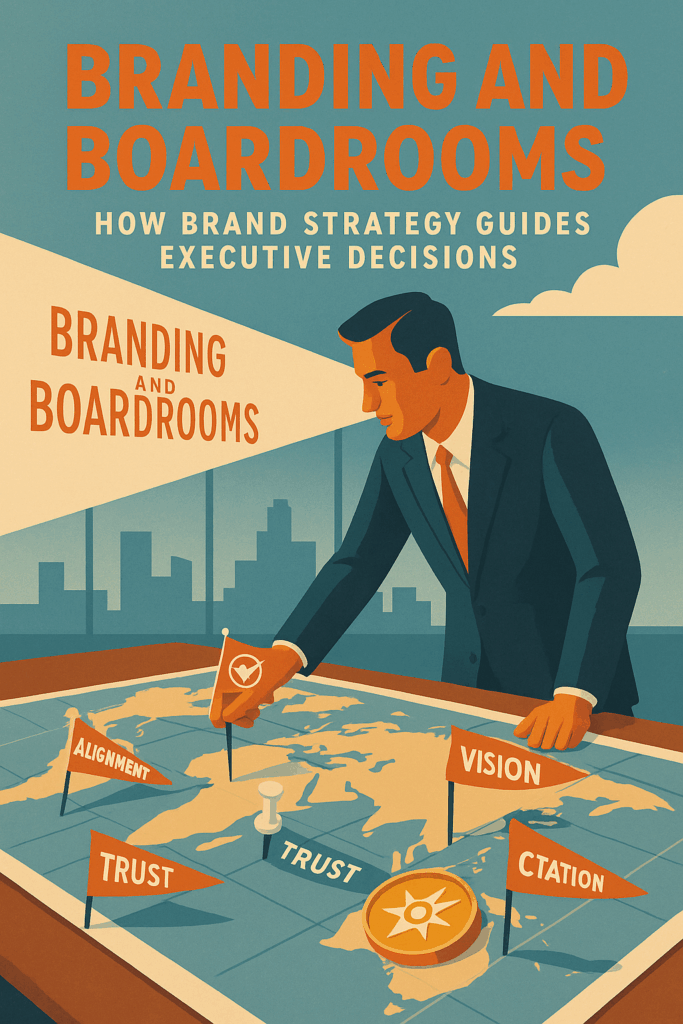


A strong executive brand is not a vanity project, and a personal brand is not a side channel for posting leadership quotes on LinkedIn. For senior leaders, founders and tech executives, brand strategy is part of how the market interprets the company itself. The executive becomes one of the clearest signals of what the business believes, where it is going and whether other people should trust it enough to buy, invest, join or partner.
That matters even more in complex B2B and deep technology. Deep tech companies do not need to be dumbed down; they need to be translated. The same applies to leadership. An executive does not need to become a professional content creator. The executive needs to make the company’s ambition, technical depth and strategic choices understandable to people who were not in the room when those decisions were made.
This guide covers personal branding for executives as a business discipline rather than an exercise in visibility for its own sake. It explains how to define a position, build your personal brand around genuine expertise, use AI without becoming generic, develop thought leadership, create a useful LinkedIn presence, attract top talent, support business development and measure whether the work is actually helping the company.
What You’ll Read
- Why brand strategy belongs at the executive level.
- How an executive brand should relate to the corporate brand.
- How to define a personal brand and leadership position.
- Where AI helps and where it damages executive credibility.
- How LinkedIn and thought leadership create strategic visibility.
- Why executive presence matters during scaling.
- How to align a personal brand with the brand vision and target audience.
- Which executive branding mistakes weaken trust.
- How to measure reputation and visibility against business objectives.
- A practical branding roadmap for building a strong executive brand.
Why Does Brand Strategy Belong at the Executive Level?
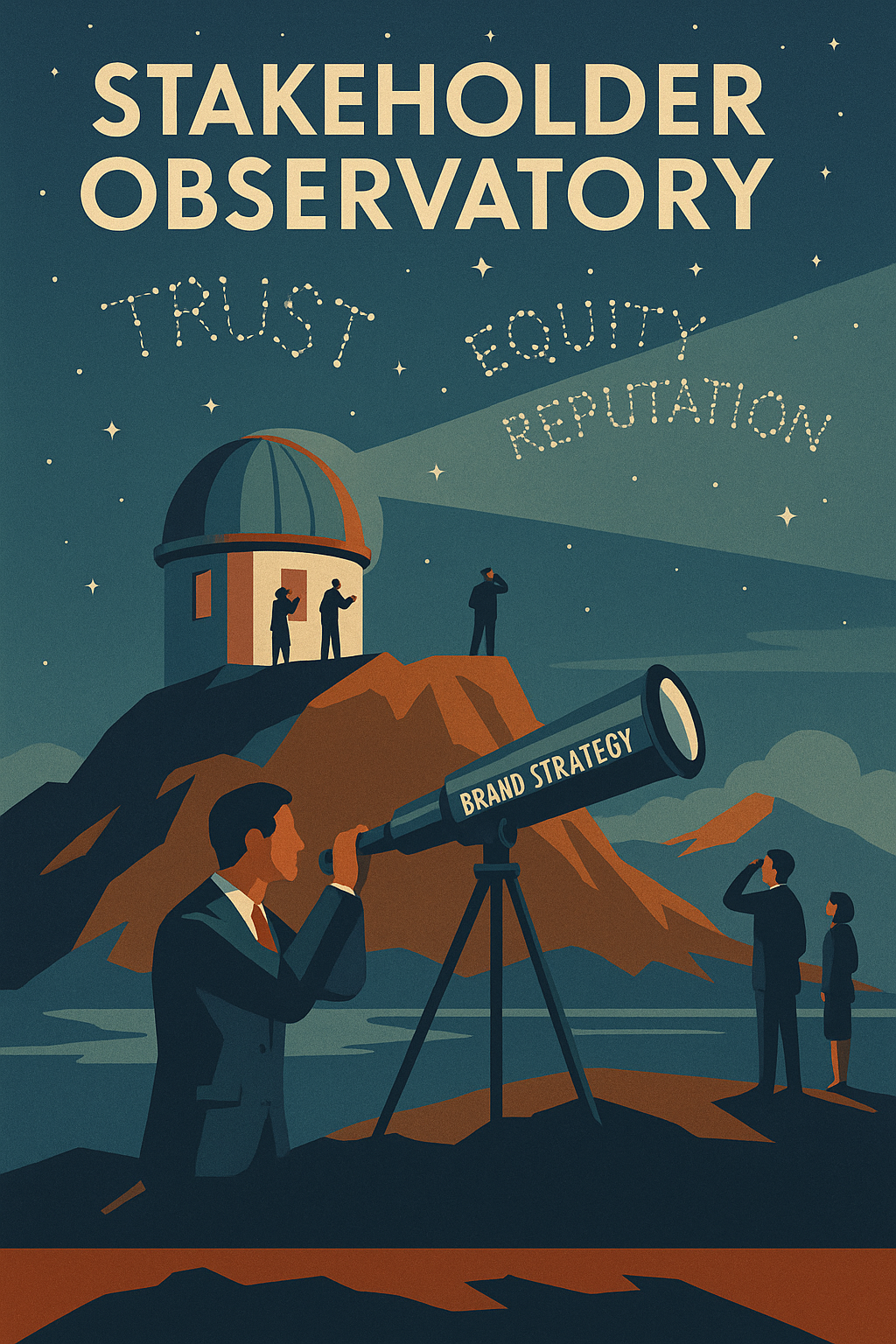
Brand strategy belongs with senior leadership because the important questions are business questions before they are marketing questions. What market are we trying to own? Which customers matter most? What are we willing to be known for? Which capabilities deserve investment? What should the company stop saying? What kind of business do we want to become as we are scaling? A marketing team can help articulate the answers, but it should not be expected to invent them without executive direction.
This is why treating brand as the responsibility of a branding agency, CMO or design team alone usually produces polished inconsistency. The work may look professional, yet the position remains detached from the decisions shaping product, hiring, sales and capital allocation. A useful brand as a strategic asset is created when the executive team understands that the brand is the market-facing expression of the business strategy, not a set of communications placed beside it.
For complex technology companies, the executive role is even more important because translation starts at the top. Engineers know the technology, sales knows the objections, marketing knows the channels and investors know the growth story they want to hear, but somebody has to create alignment between those perspectives. Leadership has to establish the brand vision, approve the hierarchy of what matters and make sure the company sounds like one company. That is why branding matters at the executive level: it creates strategic coherence before it creates visibility, and it gives impactful marketing something substantive to communicate.
How Should an Executive Brand Relate to the Corporate Brand?
An executive brand should amplify the corporate identity, not become an unrelated media property. The personal brand of a founder or CEO can have its own tone, interests and leadership style, but its core position should reinforce the company’s strategic direction. If the business wants to be known for rigorous engineering and long-term thinking while the CEO’s public persona is built entirely around trend-chasing hot takes, the market receives two different signals and usually trusts neither of them completely.
This does not mean the executive should sound like a press release. A personal brand works because people can hear the judgment behind it. The leader can explain why the company made a difficult choice, what the market misunderstands, how the team thinks about risk, which assumptions are changing and where AI, regulation or new technology will matter next. Those are personal and professional expressions of leadership that make the company more human without weakening its seriousness.
A strong executive brand should therefore have a clear relationship to the company’s deep tech brand strategy or broader corporate direction. The company might own a category position, while the executive owns a point of view about that category. The business explains the products and services; leadership explains the logic, conviction and strategic thinking behind them. When the two align, the leader builds credibility for the business while the business gives the personal brand real substance.
This is also where executive education matters. Senior leaders need enough understanding of positioning, messaging and perception to make good decisions without becoming amateur art directors debating whether the blue should be slightly more blue.
How Do You Define a Personal Brand and Executive Position Without Turning Yourself Into a Character?
A useful personal branding strategy begins with evidence rather than aspiration. Start with the decisions you repeatedly make well, the subjects on which people already ask for your judgment, the problems you have solved in the real-world, the value proposition you bring to the company and the leadership style that people actually experience. The objective is to find the strongest truthful pattern, not invent an executive persona because it happens to perform well on social platforms.
Your position should sit at the intersection of expertise, relevance and business objectives. If you are a founder building a robotics company, you might have credibility around commercialization of complex technology, manufacturing scale and customer adoption. If you are leading a B2B AI company, your position may be about how AI changes enterprise workflows, procurement and organizational design. The subject should matter to your target audience and to the company you are building, otherwise the personal brand may grow while the business receives very little benefit.
This is where aerospace brand positioning thinking provides a useful example even outside that industry. Effective brand positioning is partly the discipline of deciding what should be remembered first. A strong personal brand does not require you to erase your other interests, but it does require hierarchy. The market cannot associate you with everything at once, and trying to sound qualified on every current topic is one of the fastest ways to become strategically forgettable.
Building an executive personal brand therefore begins by choosing a territory you can credibly cultivate over time. That territory should be broad enough to support years of thinking, yet specific enough that people understand why your voice deserves attention.
Where Does AI Help an Executive Brand, and Where Does AI Make It Worse?
AI can make executive branding considerably easier to operate. AI can summarize research, analyze interview transcripts, identify recurring questions from customers, turn a webinar into draft articles, create first-pass outlines, compare competitor narratives and help maintain a content calendar. For senior leaders who possess genuine expertise but limited time, AI can remove a great deal of production friction.
The problem begins when AI moves from assistance into authorship of the executive’s judgment. AI is very good at generating competent consensus. If you ask AI for a post about leadership, innovation or the future of work without giving it a distinctive point of view, it will usually produce something that sounds sensible and could have been posted by thousands of other people that morning. That is not executive personal branding. It is efficient production of material nobody particularly needed.
A strong executive should therefore use AI to process inputs rather than replace conviction. Feed AI customer questions, meeting notes, internal memos, speaking transcripts and real decisions. Ask AI to identify themes, challenge weak logic, find contradictions or produce alternative structures. Then make the executive responsible for the conclusion.
A ghostwriter can work the same way. The job of the ghostwriter should be to sharpen the brand voice and turn thinking into publishable material, not manufacture beliefs the leader has never expressed. If the finished article contains opinions the executive would struggle to defend in a customer meeting, the content operation has become theatre.
AI can also support executive education by helping leaders stay current across technical, commercial and competitive developments. AI can prepare briefing notes for webinars, speaking engagements or customer conversations, but published work should still contain recognisable human judgment.
The wider digital landscape makes this increasingly important. When almost everyone has access to AI-generated competence, specific experience, uncommon judgment and clearly stated conviction become more valuable, not less.
How Should LinkedIn, Thought Leadership and Speaking Engagements Create Strategic Visibility?
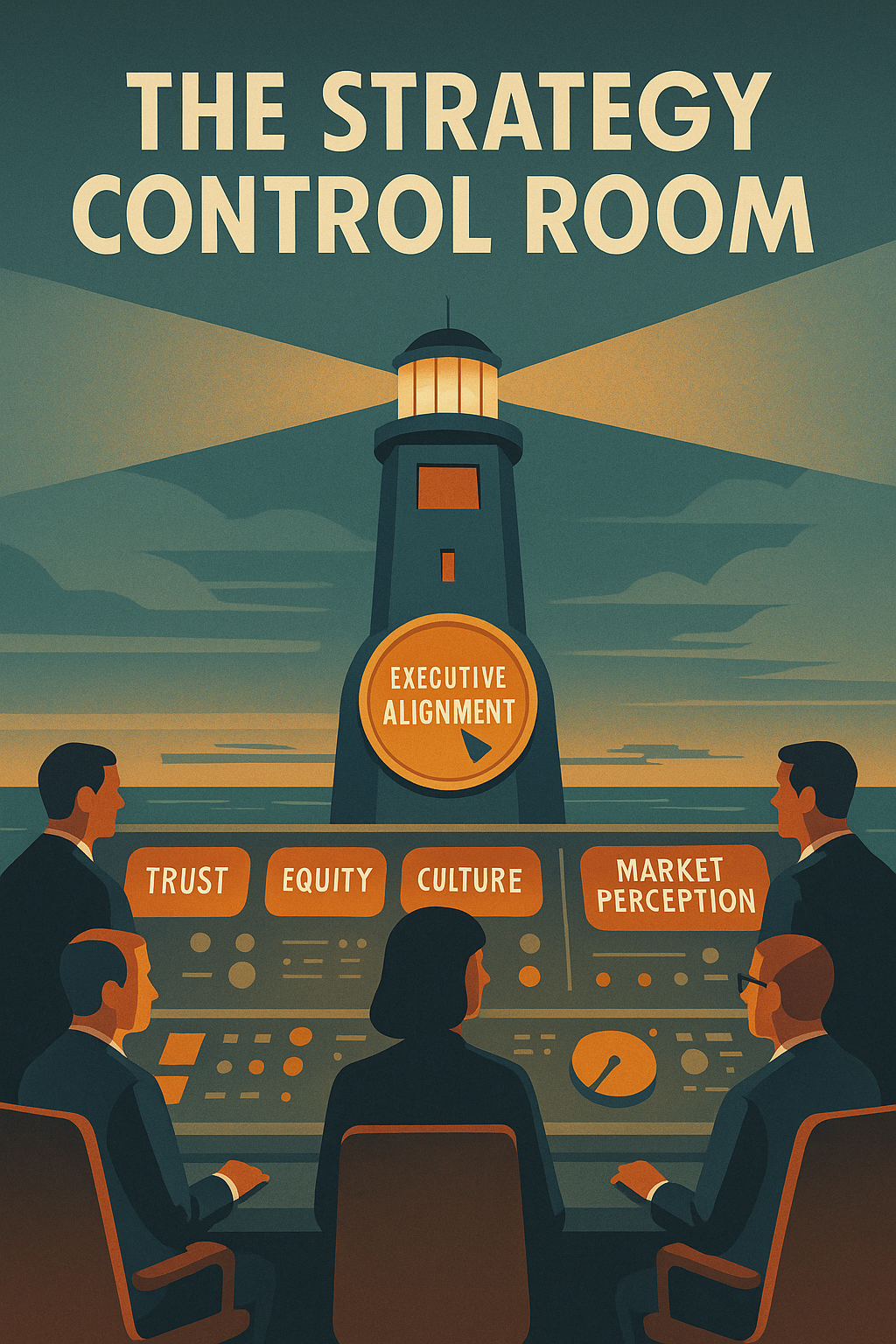
LinkedIn is useful because it sits close to many of the people an executive needs to influence: customers, investors, partners, employees, analysts, recruits and other senior leaders. The objective, however, is not to win LinkedIn. The objective is to use LinkedIn to create strategic visibility around subjects that support the company’s direction and the leader’s credibility.
A good LinkedIn profile should make the executive’s role, expertise and company direction obvious without reading like a resume written while looking for a job. The headline, about section, featured material and recent posts should reinforce the same personal brand. From there, the leader can share content explaining market shifts, operating lessons, customer problems, technical trade-offs and decisions. The strongest thought leadership content gives readers actionable insights they can use even if they never buy anything from the company.
Speaking engagements, webinars and podcasts extend the same system. They allow an executive to go deeper than a short post and give potential customers or partners more evidence of how the leader thinks. The most useful speaking opportunities are not necessarily the largest. A focused technical conference attended by the right target audience may create more new business than a prestigious but commercially irrelevant stage.
The goal is to become visible where reputation compounds.
This is also why a C-level brand briefing matters internally. It gives senior leadership a common view of the message, positioning and priorities so that external visibility does not produce several competing versions of the company.
A practical system should make it easy to share content without forcing the executive into a full-time publishing schedule. Quality, relevance and continuity matter much more than feeding the algorithm every morning before breakfast.
Why Does Executive Presence Matter More During Scaling?
Scaling creates communication distance. When a company has twelve people, the founder can explain the strategy directly. When it has hundreds of people, multiple offices, more products and several layers of management, leadership cannot personally provide context for every decision. The brand begins carrying some of that context on behalf of the executive team.
This is why executive presence becomes more important during scaling rather than less. Employees, customers and investors need visible signals about what remains stable while the organization changes. A strong executive can explain why priorities are shifting, how a new market relates to the original mission, what the company will protect during growth and which compromises it refuses to make. That communication helps build trust because people see continuity between leadership decisions and public communication.
The same principle applies to recruitment. Top talent increasingly researches senior leaders before joining a company, particularly in technical categories where leadership quality materially affects career opportunities. A credible personal brand can attract top talent by showing how the executive thinks, what kind of work the company values and whether the leadership team appears capable of delivering the ambition it is selling.
A strong executive presence therefore becomes part of employer reputation without requiring the CEO to become a full-time recruiter. The leader simply needs to communicate enough substance that talented people can make a better-informed judgment about who they would be working with.
How Do You Align a Personal Brand With the Brand Vision and Target Audience?
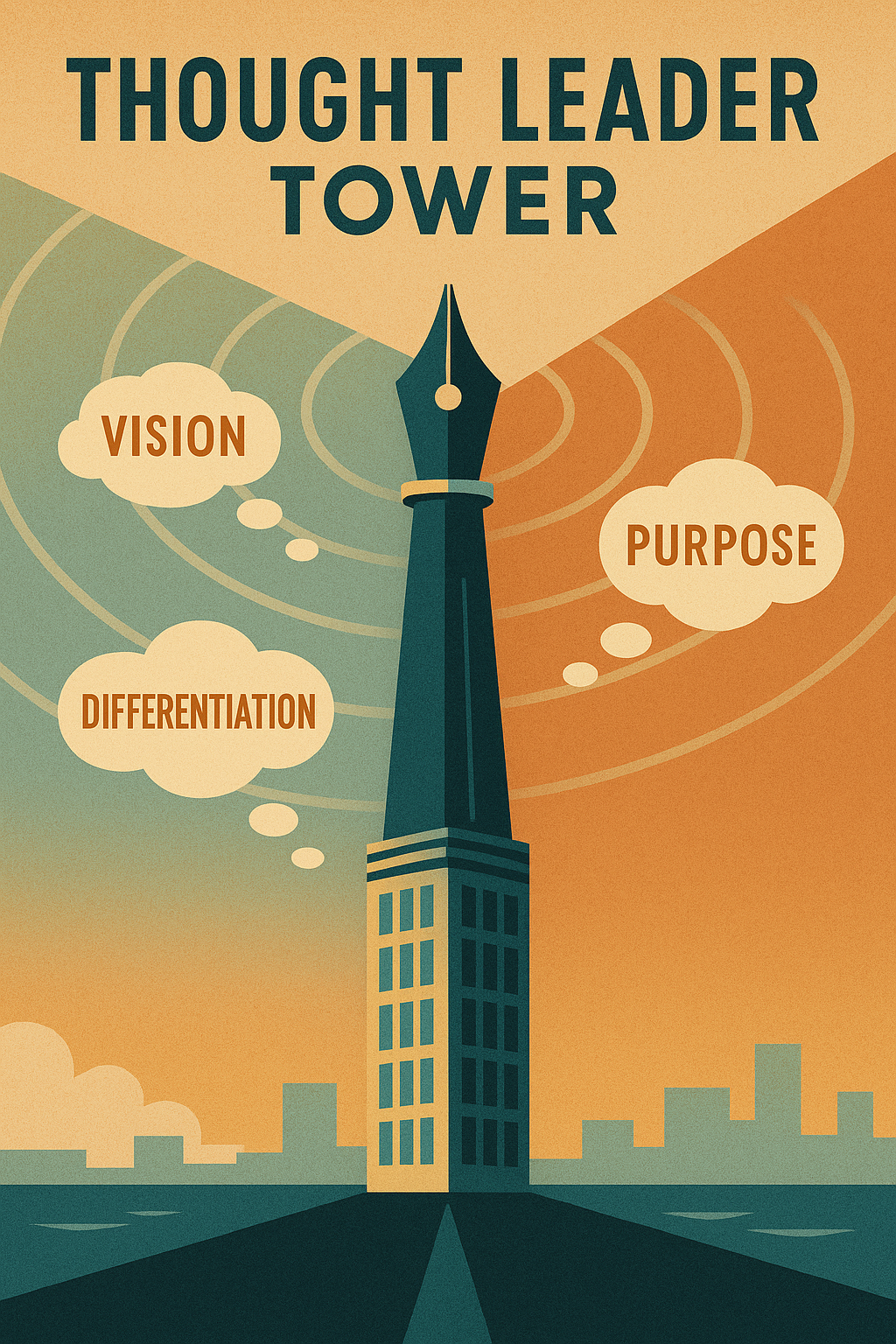
Alignment begins by deciding what the personal brand is actually for. Is the primary objective to support enterprise sales, build investor confidence, recruit technical talent, create category authority, support new business or strengthen the company during repositioning? A personal brand can contribute to several outcomes, but one or two should normally lead.
Once the objective is clear, identify the target audience and the questions that audience needs help answering. If the company sells complex infrastructure to enterprises, the executive may need to discuss procurement, implementation risk, market change and ROI. If the company is fundraising, the content may need to demonstrate market understanding, technical depth and the ability to communicate the investment thesis. If the company is entering a new category, the leader may need to explain why the category exists at all.
The executive should then connect those topics to the company’s brand messaging without copying corporate copy word for word. A corporate brand voice may be more formal; a personal brand can be more interpretive, candid and contextual. The important thing is that both reinforce the same direction.
This alignment is particularly valuable for tech leaders because technical companies often have several internal languages operating simultaneously: engineering language, investor language, sales language and marketing language. The executive can bridge those worlds by repeatedly translating the same strategy from different angles.
That creates a strong brand because leadership, product, sales and communications increasingly point toward one meaning rather than asking the audience to reconcile four competing explanations.
Which Executive Branding Mistakes Damage Credibility?
One of the most common executive branding mistakes is confusing frequency with relevance. Posting five times a week will not fix weak positioning. It usually makes the weakness easier to observe. A better approach is to publish when the leader has something specific to contribute and then maintain a sustainable rhythm rather than allowing the content calendar to become the most influential member of senior leadership.
Another mistake is outsourcing judgment. If every post sounds as though a ghostwriter or AI system generated it from a generic prompt, people eventually notice the absence of lived experience. Strong personal brand content tends to contain decisions, trade-offs, examples, disagreement and specificity. It sounds like somebody who has actually had to solve the problem rather than somebody summarizing an article about solving it.
A third mistake is separating visibility from behavior. An executive can talk about transparency while communicating badly internally, or celebrate innovation while punishing experimentation. The gap between language and behavior eventually damages the brand because building your reputation is cumulative. People compare what leadership says with what it repeatedly does.
Another common mistake is mistaking controversy for position. There are legitimate reasons to challenge industry assumptions, but manufacturing conflict because it increases engagement creates a fragile kind of relevance. A strong executive can be opinionated without becoming performative.
Personal branding should make the leader more legible, not turn them into a character.
How Should an Executive Measure Reputation and Visibility?
Executive branding should be measurable, but the metrics need to reflect business objectives rather than social-media vanity. Follower growth and impressions can show whether visibility is increasing, but they say little about whether the right people are paying attention or whether that attention is helping the company.
Useful indicators include invitations to relevant speaking engagements, inbound requests from potential partners, investor engagement, analyst mentions, qualified LinkedIn conversations, referrals, employee feedback, media requests, direct traffic to a website or blog and evidence that prospects already understand the company before entering a sales conversation.
For some executives, business development and new business influenced by public content may become the clearest measure. For others, recruitment, investor confidence or reputation within a specialist category may matter more.
Qualitative feedback also matters. Ask customers what they associate with the leader. Ask employees whether leadership communication helps them understand direction. Review whether senior leaders use consistent language. Look at whether the executive is increasingly referenced by industry authorities in the category the company wants to own.
This is where the idea of branding as a strategic asset becomes useful again. Reputation and visibility are valuable when they make future commercial activity easier. The question is whether the executive brand reduces friction around trust, recruitment, partnerships, fundraising or sales, not whether a post received an impressive number of reactions.
What Should an Actionable Executive Branding Roadmap Look Like?

A practical branding roadmap should begin with an audit. Review the current LinkedIn profile, search results, media appearances, speaking history, internal reputation, existing content and relationship between the executive identity and the corporate identity. Establish what the market already associates with the leader and where that perception supports or conflicts with the company.
Next, define the position. Choose the two or three subjects the executive should become associated with, the target audience, the value proposition and the point of view that differentiates the leader from other tech executives. Define the brand voice, supporting proof and boundaries around what the executive will and will not discuss publicly.
Then create a simple operating system. Decide which social platforms matter, how frequently to publish, which speaking opportunities to pursue, whether the leader will use LinkedIn, a website or blog, and how webinars, podcasts and longer-form material fit together. AI can support research, synthesis and repurposing, but every important piece should still contain genuine executive judgment.
The final step is connecting the personal branding strategy to company outcomes. If the company is scaling, the content should support recruitment, customer confidence and category authority. If the business is fundraising, visibility should reinforce the company thesis and credibility. If the company is moving into enterprise markets, the leader should offer actionable material demonstrating a sophisticated understanding of the buyer’s world rather than simply celebrating product announcements.
These are the practical strategies to build a strong executive brand over time. The leader does not need to become a media personality. The leader needs a clear position, consistent proof, useful strategic visibility and enough discipline to let reputation compound.
What Should Senior Leaders Remember About Brand Strategy and Personal Branding for Executives?
- Brand strategy is an executive responsibility because positioning, differentiation and market meaning begin with business choices rather than marketing output.
- A personal brand should reinforce the corporate direction while preserving enough individuality for people to understand the leader’s judgment and leadership style.
- The strongest personal brand is built around evidence, expertise and relevance, rather than an invented public persona.
- AI should accelerate executive thinking and production rather than replace it. AI is useful for research, synthesis, repurposing and preparation, but conviction still needs an identifiable human owner.
- LinkedIn is useful when it creates strategic visibility with customers, partners, investors, employees and other relevant audiences rather than merely increasing follower counts.
- Thought leadership works when the leader contributes a useful perspective on problems the company wants to become known for solving.
- Speaking engagements, webinars and podcasts should be selected for audience relevance and strategic fit, not simply prestige.
- Executive presence becomes more valuable during scaling because communication needs to carry leadership context when a founder can no longer explain every decision personally.
- A strong personal brand can help attract top talent by making the company’s ambition, values and leadership quality easier to assess.
- The biggest executive branding mistakes usually start with weak positioning, excessive posting, outsourced judgment or a gap between public language and actual behavior.
- A measurable personal brand should improve trust, relationships, recruitment, business growth and market authority, rather than simply produce engagement.
- A useful personal branding strategy begins with a clear position, specific audience, consistent brand voice, credible proof and an operating rhythm that leadership can sustain.
- If you use a branding agency or ghostwriter, use them to sharpen thinking and execution rather than manufacture personality.
- The central rule for leaders of complex technology companies remains the same: deep tech companies do not need to be dumbed down; they need to be translated, and the executive is often the most credible person available to perform that translation.