

A B2B website redesign brief should define the business problem, the buying audience, the pages and functions in scope, the evidence available, who supplies and approves the work, and how the finished website will be accepted. It should also identify what must survive from the existing site.
I would write those decisions before requesting design proposals. Otherwise, two agencies can quote for “a new website” while pricing two entirely different jobs. One includes copy, migration and CRM testing. The other includes twelve attractive layouts and a cheerful handover email.
This guide gives you a copyable brief and a filled fictional example for a technical B2B business. It is a planning tool, not a legal contract, a tested client project or a universal price estimate.
Start with the reason for the redesign
“The website looks old” may be true, but it is not enough to direct a project. Explain what visitors cannot currently understand or do, and record the evidence behind that observation.
For example: sales conversations repeatedly require an explanation of installation requirements; the site describes an obsolete product; editors cannot update the case studies without a developer. Those are different problems. They may require different work.
If you do not have analytics or customer evidence, mark the concern as a hypothesis. “We think technical evaluators cannot find integration information” is a useful question to investigate. “The website is losing half our customers” is a claim you need to substantiate.
The deep tech brand strategy guide explains why a technical buyer, an investor and a procurement team may need different evidence. The brief should identify the audiences that matter to this project, rather than assuming one homepage message answers everyone.
Copy this web design brief template
Use the following sections in a document your team can edit. Unknown answers should have an owner and a decision date. An empty field with an owner is more useful than a confident paragraph nobody can defend.
| Section | What to record |
|---|---|
| Business context | Company, product, market, current website, reason for change and evidence |
| Audience and decisions | Primary buyer, technical evaluator, other necessary readers and their questions |
| Outcomes | Desired user actions, existing baseline if known, reporting owner and measurement window |
| Scope | Pages, unique templates, languages, content types and functions included |
| Exclusions | Work explicitly deferred, including portals, product interfaces or new identity work |
| Content and proof | Existing material, new copy, approved claims, asset permissions and subject-matter reviewers |
| Navigation and journeys | Priority paths from entry page to evidence to appropriate next step |
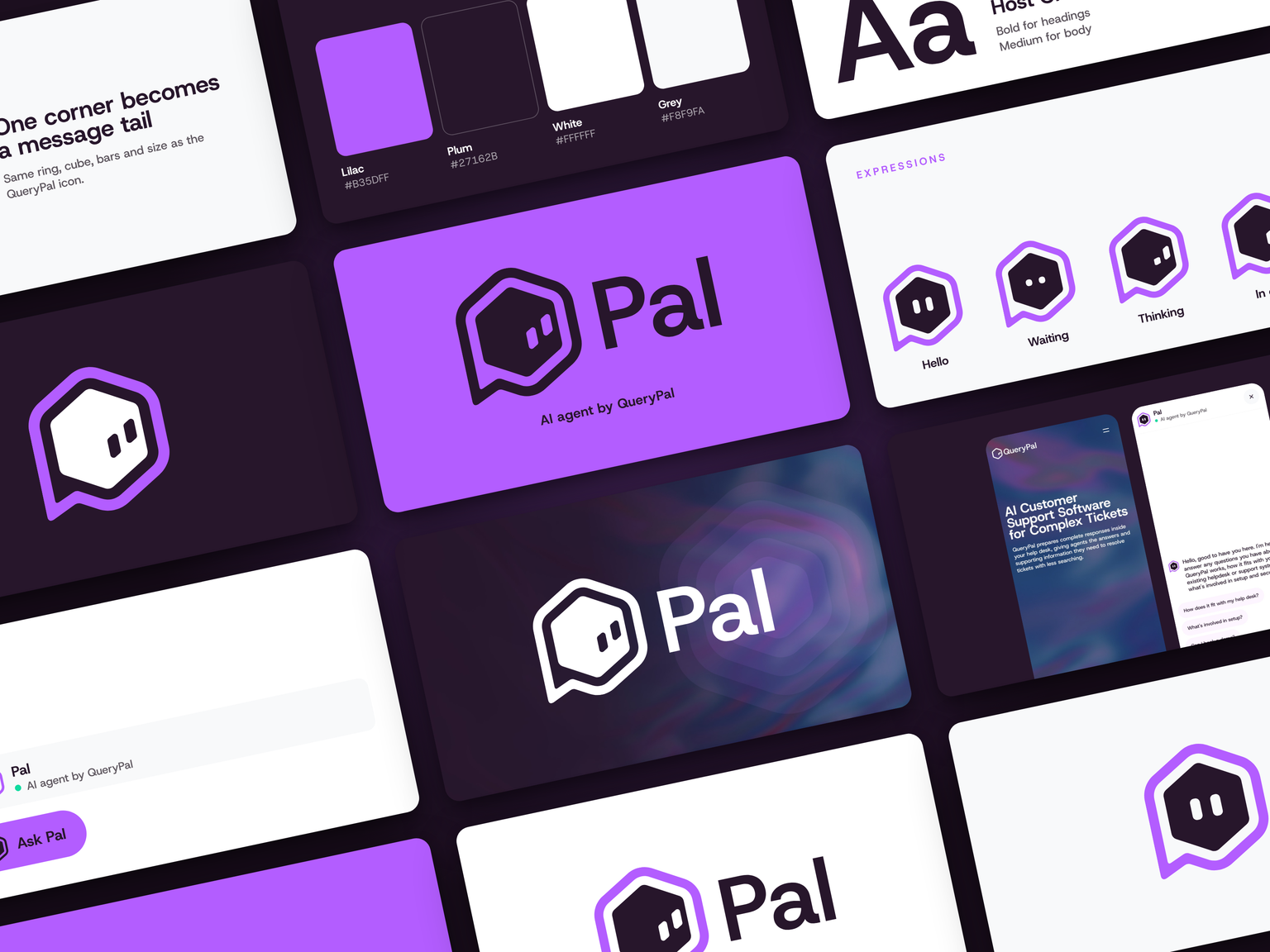
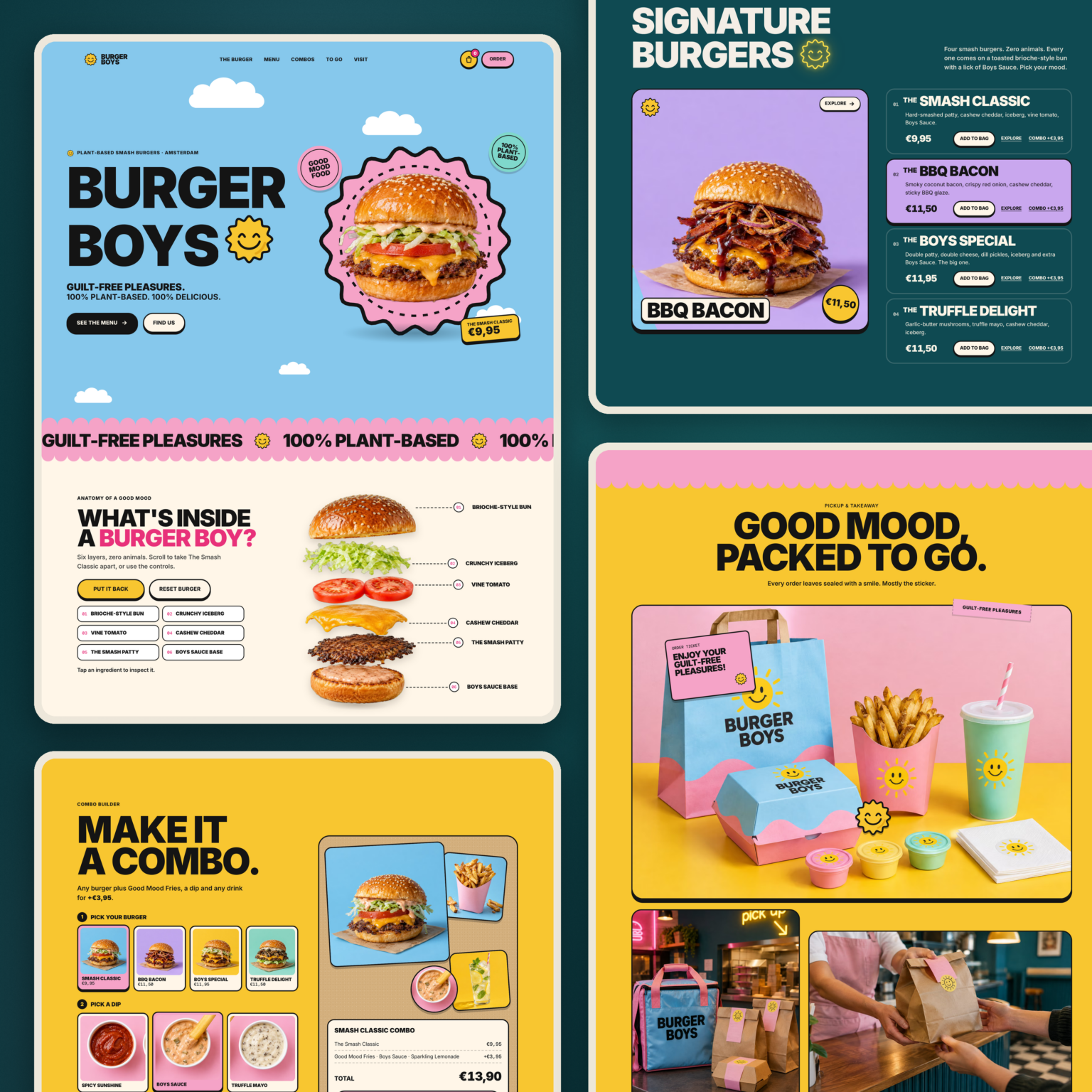
| Design direction | Existing brand rules, useful references, reasons for each reference and constraints |
| Platform and integrations | CMS, hosting, forms, CRM, analytics, account ownership and dependencies |
| Migration | URL inventory, retained content, proposed changes, redirect mapping and verification owner |
| Quality and acceptance | Responsive behavior, accessibility criteria, functional tests and acceptance evidence |
| Delivery | Stages, approvers, review windows, dependencies, launch authority and rollback responsibilities |
| Commercial boundaries | Available budget range, assumptions, revision limits and change-control process |
| Handover | Source files, accounts, documentation, training, maintenance and post-launch support |
Attach the current sitemap, brand guidelines and an inventory of existing content. Specify whether copywriting, wireframes and web development are included. Separate functional requirements from visual preferences: a CRM integration is a requirement; a particular typography reference is a direction to discuss. The project budget and timeline should state assumptions, dependencies and who can approve a change.
This is the decision record. A questionnaire can collect the raw answers, while a proposal or statement of work should translate agreed decisions into priced responsibilities. Keep those jobs distinct.
Filled example: a fictional industrial inspection company
The following company, problems and scope are invented for illustration. They do not describe a BBDirector client, and the example contains no claimed results.
Company and problem. Aster Inspection develops software that helps maintenance teams review inspection records. Its current marketing site describes features but does not explain what data a prospective customer needs to supply. The fictional team wants to clarify fit before a technical evaluation call.
Audience. The primary reader is a maintenance manager assessing operational fit. A technical evaluator needs input formats, deployment requirements and limitations. Procurement needs company information and a clear contact route. Investor content is outside this project's primary journey.
Desired action. Request a technical-fit discussion after reading the requirements. Record successfully delivered inquiries separately from button clicks. Sales will classify whether an inquiry is relevant; an analytics event will not be treated as a qualified opportunity by itself. No numeric improvement target is asserted because this example has no real baseline.
Page scope. Eight named pages: Home, Product, How It Works, Deployment Requirements, Applications, Evidence, About and Contact. The team must also inventory existing articles before deciding which to retain. “Eight pages” does not mean eight unique layouts: the proposal must state the number of templates and populated pages separately.
Content. Marketing owns the first copy draft. The product lead approves capability statements and input requirements. The company supplies permission-cleared images. Until an approved customer example exists, the Evidence page explains the evaluation method and limitations without inventing a testimonial.
Design. Retain the existing identity. Use a clear workflow illustration and readable product explanations. Do not imply that a sample interface is a live deployment. My Meridian concept walkthrough illustrates why a demonstration's boundaries should be explicit.
Technology. Retain the current CMS unless discovery identifies a documented constraint. Send inquiries to the company's existing CRM and a monitored fallback inbox. The implementation proposal must confirm the integration method, account owner, access needs and ongoing costs before build approval. No passwords belong in the brief.
Exclusions. No customer portal, software product redesign, new identity, translation or paid acquisition campaign. Additional applications pages are separately scoped. Those exclusions stop the marketing website quietly becoming a software-development project halfway through.
Delivery. Approve the audience and page plan first, then copy and wireframes, then visual design, build and acceptance testing. The marketing lead consolidates feedback; the product lead signs off technical accuracy. A launch date is agreed only after content ownership and implementation dependencies are confirmed.
Connect each requirement to something you can check
The most useful part of a brief is the link between a buyer problem, a page decision and acceptance evidence. Here is that mapping for the fictional example.
| Requirement | Deliverable | Acceptance check | Owner |
|---|---|---|---|
| Buyers need to understand input requirements | Deployment Requirements page | Product lead checks formats, prerequisites and limitations against approved documentation | Product lead |
| Visitors need a reliable contact route | Contact form and delivery integration | Test valid and invalid inputs; confirm receipt in the intended destination and handling of delivery failures | Developer and sales operations |
| Editors need to maintain evidence | Reusable evidence-page template | An editor creates and updates a sample item without altering the layout code | Content owner |
| Existing useful content must remain accessible | URL inventory and migration map | Check retained URLs and approved replacements against actual responses after launch | SEO owner |
| Mobile readers need the full explanation | Responsive page templates | Review navigation, text, tables and forms on agreed small-screen sizes | Designer and developer |
These are proposed checks, not completed tests. Agree the actual devices, browsers, accessibility target and evidence format in the scope. “Responsive” needs to mean more than a desktop page shrinking bravely into a telephone.
For forms, W3C's accessibility guidance covers labels, instructions, validation and feedback. Include those requirements in acceptance, rather than leaving accessibility as an unassigned promise. A successful-looking screen also needs to correspond to an inquiry that reached its intended destination.
Protect the existing site during migration
A redesign does not automatically require new URLs. Start with an inventory of current pages, their purpose, incoming links and available search-performance evidence. Record keep, revise, consolidate or retire as decisions requiring justification, not as automatic consequences of a new navigation menu.
If URLs change, Google's site-move guidance recommends mapping old URLs to their replacements, implementing the move and monitoring both sets of URLs. Its guidance also recommends separating major changes where practical. Put responsibility for this work in the brief.
The brief should say who checks redirects, canonical URLs, sitemap entries and indexability after launch. It should also name who can authorize the launch and who can restore the previous version if a critical function fails. The exact rollback method depends on the platform; it should be agreed with the implementation team.
Compare proposals without pretending price is the whole scope
Ask each supplier to answer the same questions: Who writes the copy? Who enters the content? How many templates and pages are included? Which integrations are tested? What counts as a revision? Who owns the design files and accounts? What happens after launch?
Mark each responsibility as included, excluded or dependent on discovery. Then compare costs against those answers. A lower fee can be a sensible choice when the missing work is genuinely handled internally. It becomes a problem when everyone assumes somebody else is doing it.
For visual references, record the specific reason behind each choice. The FORMA case study is useful when discussing the relationship between a marketing page and a product demonstration. It is not a reason to add financial dashboards to an industrial website.
Finish with a brief someone can act on
Before sending the document out, check that every major deliverable has an owner, each unknown has a decision point and acceptance is described in observable terms. Keep the brief short enough to use, with detailed inventories and technical specifications attached rather than buried inside the opening explanation.
If your positioning itself is unresolved, settle the relevant brand messaging decisions before approving page copy. Otherwise, the design review becomes a delayed argument about what the business actually sells.
If you want help turning the brief into a clear brand and website scope, review my brand and website design services. Send the existing site, the completed brief and the decisions you still need help making. We can start with those, rather than pricing a mystery.
Sources reviewed: 24 November 2026. The Aster Inspection brief is a fictional worked example. The framework is professional judgment, not a claim of tested conversion improvement.